Surface-level aesthetics often mask deeper structural failures that traditional spa facials simply cannot reach. If you've invested in countless sessions only to find your acne scarring remains unchanged, it's likely because the intervention lacked a diagnostic foundation. For those seeking fractional needling in Brisbane, the shift from "pampering" to "prescriptive" is not just a preference — it's a clinical necessity. Real dermal remodelling requires more than a device; it requires a meticulous investigation into your skin's unique architecture.
Your skin deserves a strategy rooted in objective data rather than guesswork. This article explores how diagnostic-led fractional needling, powered by the SKYNN Method™ and 520X imaging, restores structural integrity by targeting the precise depth where damage resides — examining the science of cellular-level accuracy, the importance of a personalised skin blueprint, and why evidence-based planning is the only way to achieve a visible, lasting reduction in scar depth and refined skin texture.
Clinical-grade fractional needling prioritises prescriptive dermal intervention over superficial aesthetics. It works by stimulating fibroblasts to synthesise Type I and Type III collagen, restoring lost structural integrity. At SKYNN, 520X imaging reveals sub-surface pathologies before treatment — ensuring every session is backed by objective data rather than visual guesswork, particularly for complex atrophic acne scarring.
Fractional Needling vs Standard Microneedling: The Clinical Distinction
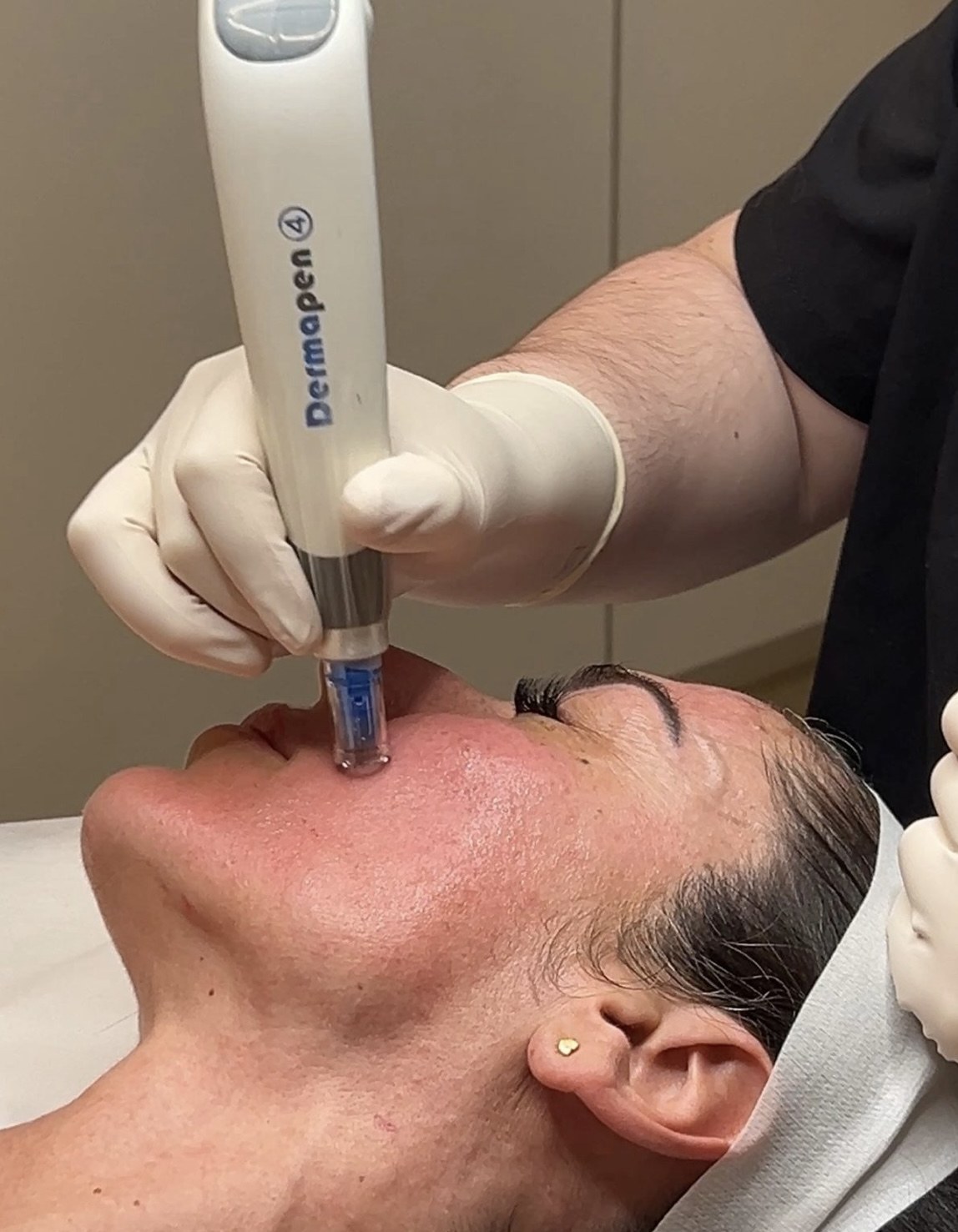
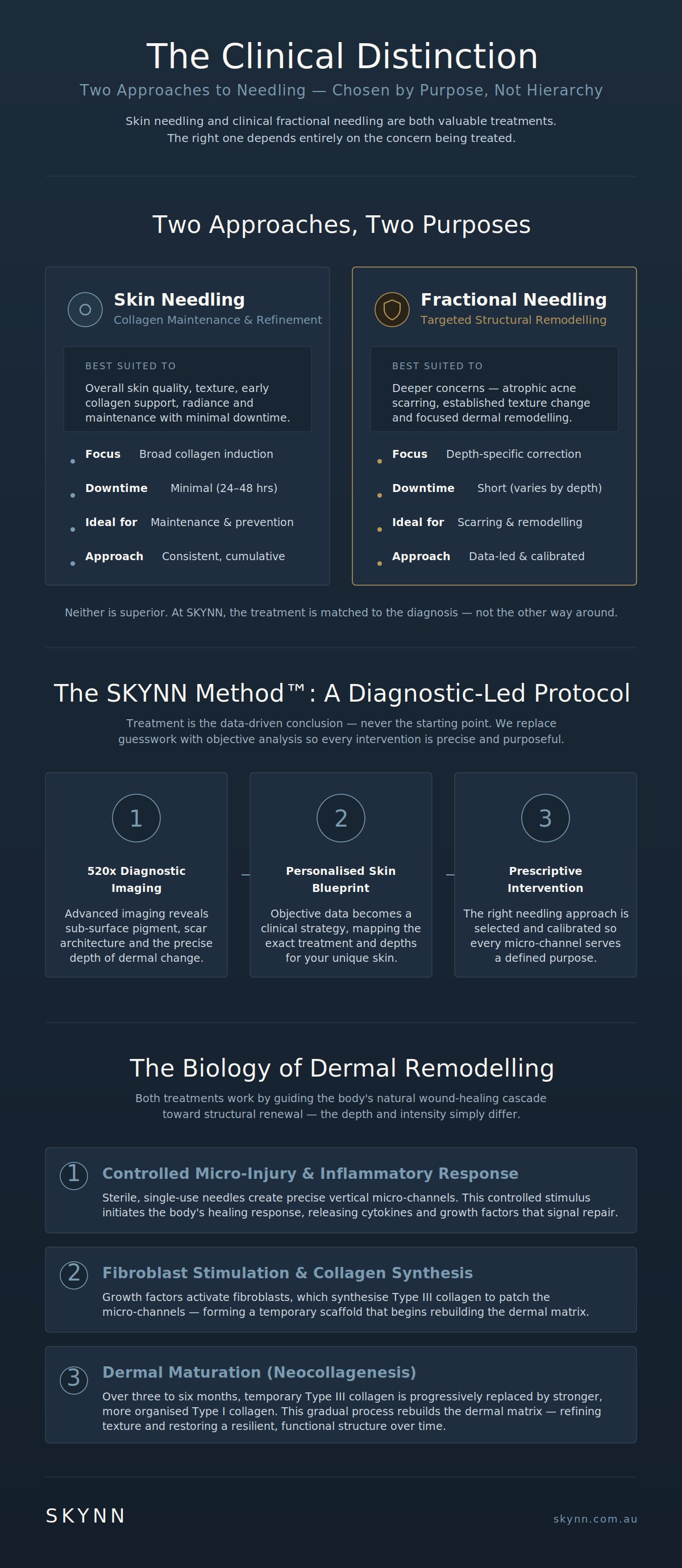
Standard microneedling often functions as a glorified exfoliation. Fractional needling operates on a different tier of clinical intervention — the controlled induction of micro-channels into the dermis to trigger a specific biological response. Unlike entry-level salon services that prioritise a temporary glow, this is a prescriptive method designed for dermal remodelling.
The "fractional" designation is critical. It indicates that only a specific percentage of the skin surface is treated during a single session. By leaving columns of healthy tissue between the micro-channels, the body initiates a rapid healing response that would be impossible with total surface ablation. The primary objective is structural evolution — targeting the underlying dermal architecture to resolve complex concerns like atrophic scarring and loss of integrity.
The Anatomy of a Micro-Channel
Precision starts with the angle of entry. Vertical penetration is the hallmark of clinical needling — it minimises epidermal trauma and eliminates the "tearing" associated with outdated dermal rollers. Once the needle reaches the targeted depth, it initiates a three-stage inflammatory cascade that releases growth factors signalling the body to begin repair. This repair involves the synthesis of new collagen and elastin fibres, effectively replacing damaged tissue with a more resilient, organised matrix — leading to a visible reduction in scar depth and improved skin density.
Why Clinical Grade Matters for Brisbane Patients
Surface-level treatments lack the calibration required for safe, effective outcomes. Clinical-grade devices allow for precise, adjustable needle depth. The skin on the forehead is thin and requires a vastly different approach than the denser tissue on the cheeks. Without this adjustability, you risk "track-mark" scarring — a permanent complication caused by inferior, non-clinical devices.
Safety is non-negotiable. Every procedure uses sterile, single-use clinical cartridges to prevent cross-contamination. In a clinical setting, we treat the skin as an organ that requires protection and data-led management — not just a canvas for generic products.
We don't guess where the damage is. We see it — then calibrate every micro-channel to the depth where it actually resides.
The Biological Mechanism: How Fractional Precision Triggers Remodelling
The efficacy of fractional needling lies in its ability to harness the body's natural wound-healing response. When the needles penetrate the dermis, they initiate a complex series of chemical signals that activate fibroblasts — the primary cells responsible for synthesising the extracellular matrix. Initially, the body produces Type III collagen, often called wound collagen. Over the following months, this is replaced by the more robust and organised Type I collagen. This transition is the foundation of dermal remodelling.
Structural evolution is a marathon, not a sprint. While the inflammatory phase begins immediately, the timeline of collagen maturation — neocollagenesis — typically extends over three to six months. During this period, newly formed collagen fibres undergo cross-linking and alignment, increasing the mechanical strength of the skin and improving elastin organisation. This is why clinical results continue to evolve long after the initial procedure.
The Role of Thermal Energy in RF Fractional Needling
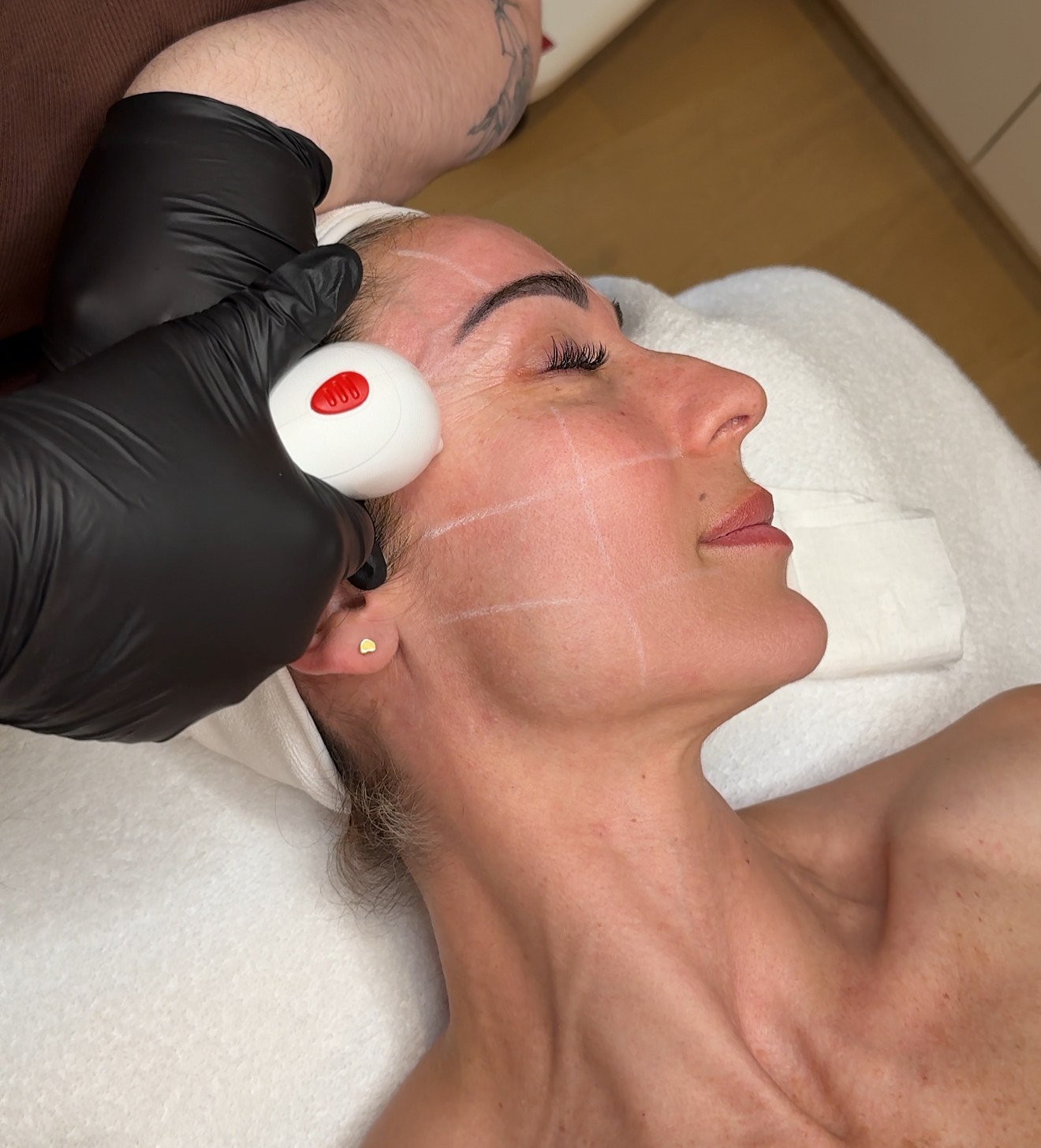
Radiofrequency (RF) energy introduces a secondary, synergistic dimension to the mechanical needling process. While the needles provide the physical stimulus, RF delivers controlled volumetric heating to the deeper dermal layers. This heat causes immediate thermal contraction of existing collagen fibres, offering an initial tightening effect. Beyond the immediate response, the synergy between mechanical trauma and controlled heat amplifies the fibroblastic response — particularly effective for complex concerns where mechanical methods alone may underperform.
Diagnostic Prerequisite: Why SKYNN Uses 520X Imaging First
The SKYNN Method™ rejects the industry standard of visual guesswork. Before any fractional needling procedure commences, we establish a clinical baseline through the 520X imaging system. This diagnostic-led framework ensures we aren't merely treating symptoms visible on the surface, but addressing the underlying structural pathologies that dictate skin health.
Traditional consultations rely on a practitioner's subjective observation. In contrast, our approach uses objective data to determine the exact parameters of your intervention — including needle depth, oscillation speed, and channel density. By revealing sub-surface pathologies invisible to the naked eye, 520X imaging allows us to map the skin's internal landscape with microscopic accuracy. Without this data, any clinical intervention is essentially an educated guess.
Quantifying Dermal Health with 520X Technology
Effective treatment requires understanding what lies beneath the stratum corneum. The 520X technology detects underlying vascularity and the specific depth of pigmentation — factors critical when calibrating needle penetration. We also assess pore size and sebum distribution to establish a comprehensive data set. This quantification prevents the common error of over-treating a compromised skin barrier, which can lead to adverse inflammatory responses rather than productive healing.
The Personalised Skin Blueprint
Transitioning from subjective guesswork to data-driven clinical planning is what distinguishes a professional intervention from a standard beauty service. The Skin Blueprint serves as an evolving record of your progress, allowing us to track objective changes in dermal density and texture over time. As your skin matures, your blueprint is updated — ensuring each subsequent session is adjusted to meet the new requirements of your evolving collagen matrix.
Published reviews on microneedling for acne scarring consistently highlight the necessity of structured, staged protocols for managing complex conditions — reinforcing why a data-led blueprint outperforms a one-size-fits-all approach.
Clinical Indications: Correcting Acne Scarring & Structural Integrity
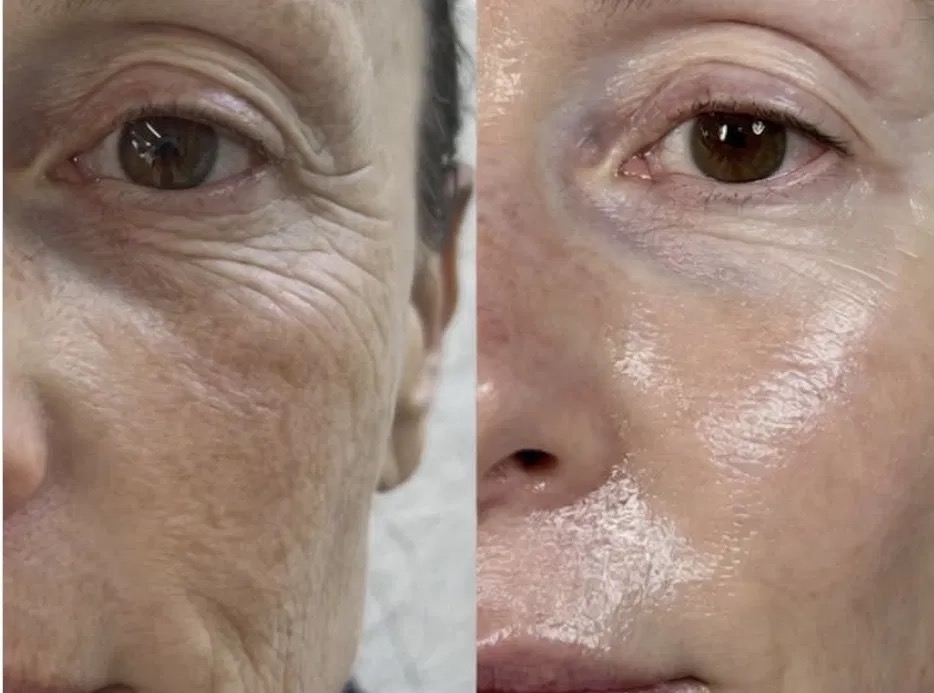
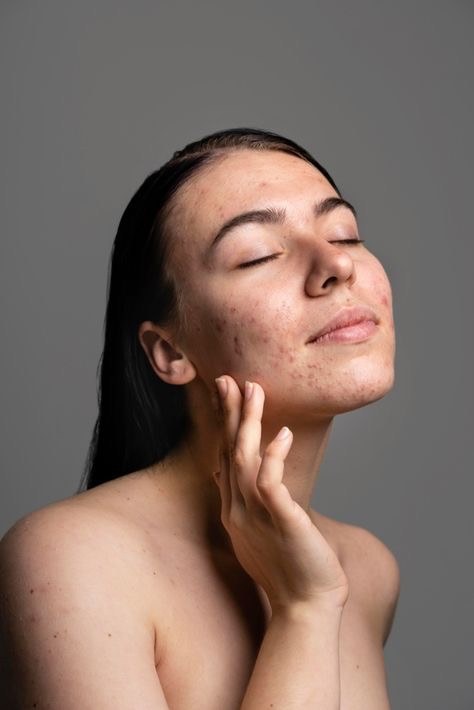
Fractional needling is not a surface treatment — it's a corrective intervention for complex dermal pathologies. Atrophic acne scarring, characterised by depressions in the skin, requires a focused approach to break down the fibrous bands that pull the epidermis downward. Beyond scarring, the treatment addresses early structural laxity and fine lines by reinforcing the dermal scaffold. It is also effective for managing post-inflammatory hyperpigmentation, as accelerated cellular turnover helps disperse accumulated melanin clusters.
Remodelling Atrophic Scar Tissue
Atrophic scars — including boxcar, rolling, and icepick varieties — are essentially areas of failed healing. Clinical needling works by mechanically disrupting the old, dysfunctional scar tissue. This triggers a "filling" effect, where new Type I collagen replaces the void left by the atrophic depression. Significant scar revision is a progressive journey: while initial changes may be observed early, most patients require between three and six sessions to achieve substantial remodelling of deep-seated scar architecture. You can read more in our complete guide to acne treatment in Brisbane.
Texture Refinement and Pore Management
Enlarged pores are often a symptom of diminished dermal support rather than a flaw in the pore itself. When surrounding skin loses elasticity, pore walls collapse outward, making them appear more prominent. Fractional needling restores this support by tightening the dermal matrix, effectively "shrinking" the visible aperture. While pore size is genetically determined, their visibility is a direct reflection of skin health and structural integrity — improving the density of surrounding tissue refines the overall texture and creates a more uniform surface.
The SKYNN Protocol: Accessing Fractional Needling in Brisbane
The patient journey at our Albion clinic is a deliberate progression from initial data acquisition to long-term dermal evolution. We reject the transactional nature of generic beauty treatments in favour of a prescriptive, multi-stage protocol. Every session is governed by the SKYNN Method™, ensuring clinical intervention is always preceded by diagnostic clarity.
Living in Queensland presents unique environmental challenges that must be integrated into any clinical strategy. Brisbane's high UV index and humidity dictate a specific approach to aftercare that differs significantly from cooler climates. We prioritise restoration of the acid mantle and maintenance of deep-tissue hydration to support the neocollagenesis process initiated during your session.
Preparing for Your Clinical Needling Session
A successful outcome begins weeks before the first needle makes contact. We require a healthy, resilient skin barrier before commencing any high-intensity dermal remodelling. This often involves a preparatory phase where active ingredients like high-strength retinoids or exfoliating acids are paused to prevent over-sensitisation. During your consultation, we assess your barrier function and provide a specific home-care titration plan — we don't proceed until the data suggests your skin is ready.
Post-Treatment Evolution and Recovery
Managing the recovery window is as critical as the treatment itself. Patients should expect a period of social downtime characterised by redness and mild swelling, typically resolving within 24 to 48 hours. This is a normal inflammatory response — a sign the biological triggers for repair have been successfully activated. During this time, topical support is restricted to sterile, non-active hydrators that protect the newly formed micro-channels. As the skin heals, strict UV protection is essential to prevent post-inflammatory pigmentary changes.
There's a profound difference between a temporary glow and a permanent structural shift. Fractional needling, done properly, delivers the latter.
Frequently Asked Questions
Is fractional needling better than standard microneedling for acne scars?
Fractional needling allows for specific depth calibration and targeted dermal disruption. While standard microneedling often remains superficial, fractional needling focuses on breaking down the deep fibrous bands of atrophic scars — ensuring the inflammatory response occurs exactly where the structural damage resides, leading to more effective filling of depressed tissue.
How many sessions of fractional needling are required for visible results?
Significant structural evolution typically requires a series of three to six sessions spaced approximately four to six weeks apart. This allows for full maturation of Type I collagen. While initial texture improvements may be visible sooner, deep scar revision is a cumulative biological process requiring patience and clinical consistency.
What is the expected downtime after a fractional needling treatment in Brisbane?
Patients should expect approximately 24 to 48 hours of social downtime characterised by redness and mild swelling. Because of the intense Queensland sun, strict UV avoidance and physical sunscreens are essential during the initial healing phase to prevent post-inflammatory hyperpigmentation while the barrier repairs.
Does fractional needling hurt during the procedure?
The procedure involves a level of clinical discomfort managed through topical anaesthetics and precise oscillation speeds. Most patients describe the sensation as a vigorous vibration or a series of sharp pinpricks, which is well tolerated given the short duration of the active needling phase.
Can fractional needling be performed on all skin tones and types?
Fractional needling can be safely performed on most skin types, provided a diagnostic-led approach is used to manage potential risks. For darker Fitzpatrick skin types, specific parameters are used to avoid triggering an overactive melanocyte response. Diagnostic imaging is essential to assess baseline skin health before proceeding.
How long do the results of fractional needling last?
Results are considered long-term because the treatment creates a permanent structural change in the skin's architecture. Unlike topical fillers or temporary surface treatments, the new collagen matrix becomes a functional part of your tissue. Natural ageing continues, so periodic maintenance sessions and a disciplined skincare strategy are recommended.
What is the difference between fractional needling and RF needling?
Standard fractional needling relies on mechanical stimulation, whereas RF needling integrates radiofrequency energy to provide deep thermal heating. This thermal component causes immediate collagen contraction and enhances skin tightening. The choice depends on whether the primary goal is atrophic scar revision or managing structural laxity and skin sagging.