Skin needling is one of the most searched skin treatments in Brisbane — and one of the most misunderstood. Clients arrive having read about it online, seen results on social media, or been recommended it by a friend, but with very little understanding of how it actually works, what it can and cannot realistically achieve, or whether it is the right treatment for their specific concern.
This guide covers everything you need to know before booking a skin needling treatment in Brisbane — the biology, the evidence, the realistic expectations, the comparison with other collagen induction treatments, and how we use it at SKYNN as part of a broader clinical approach to skin health.
What Is Skin Needling?
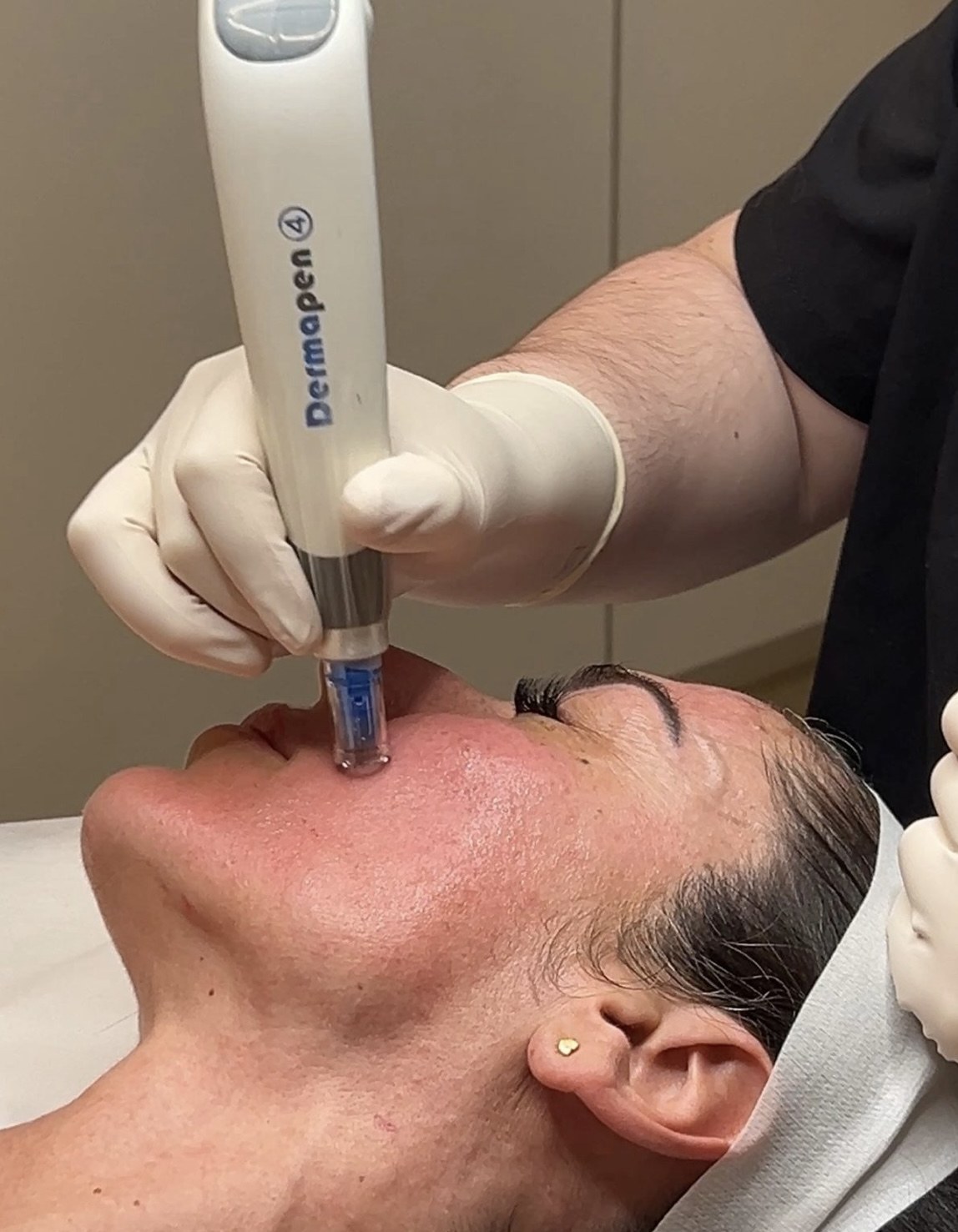
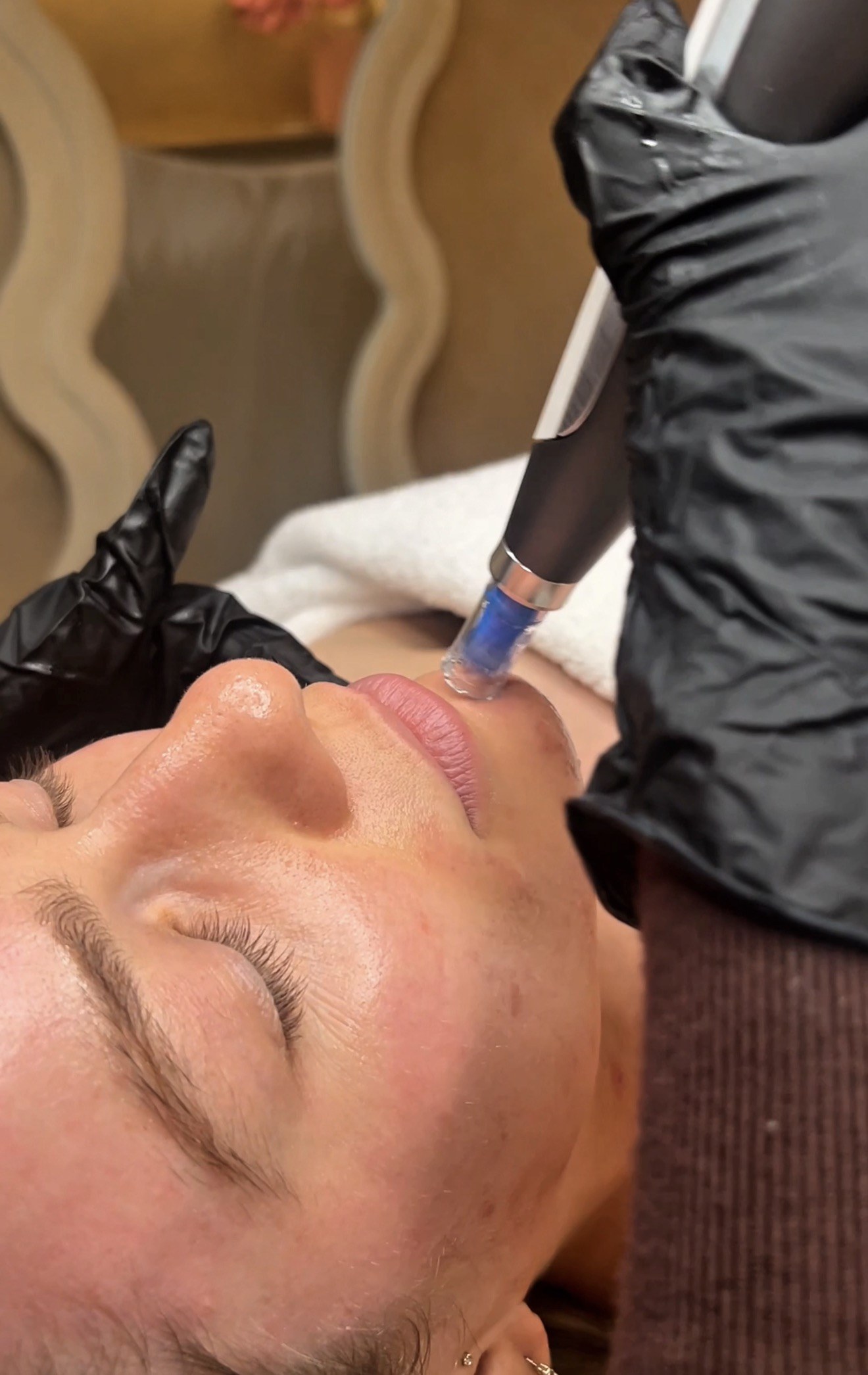
Skin needling — also known as microneedling or collagen induction therapy — is a professional skin treatment that uses a device with fine oscillating needles to create thousands of controlled micro-injuries in the skin. These micro-channels are invisible to the naked eye and heal rapidly, but their creation triggers a biological cascade that produces meaningful changes in the structure and quality of the skin over the weeks and months that follow.
Dermapen is the most widely recognised brand of skin needling device. The Dermapen 4 — which we use at SKYNN — is the current clinical benchmark, offering adjustable needle depth from 0.1mm to 3.0mm, motorised vertical needle motion that reduces drag across the skin surface, and validated treatment protocols that can be calibrated to different skin concerns. Home dermarollers sold online operate on the same principle but without the precision, consistency or depth control of a professional device — and produce meaningfully different (and more limited) outcomes.
Skin needling works with the skin's own biology. The micro-injuries we create are the signal — the collagen that forms in response is the result.
How Does Skin Needling Stimulate Collagen?
The mechanism behind skin needling is grounded in the skin's natural wound-healing biology. When the skin is injured — even at a microscopic level — it activates a repair response that unfolds in three distinct phases.
Collagen remodelling following a skin needling session continues for up to twelve weeks after the treatment. This is why visible results are almost always delayed relative to the treatment date, and why programs are designed as a series rather than as isolated sessions.
What Can Skin Needling Treat?
Skin needling is one of the most versatile clinical treatments available because the collagen induction process benefits a wide range of concerns — not just the ones it is most commonly associated with.
What Results Can You Expect?
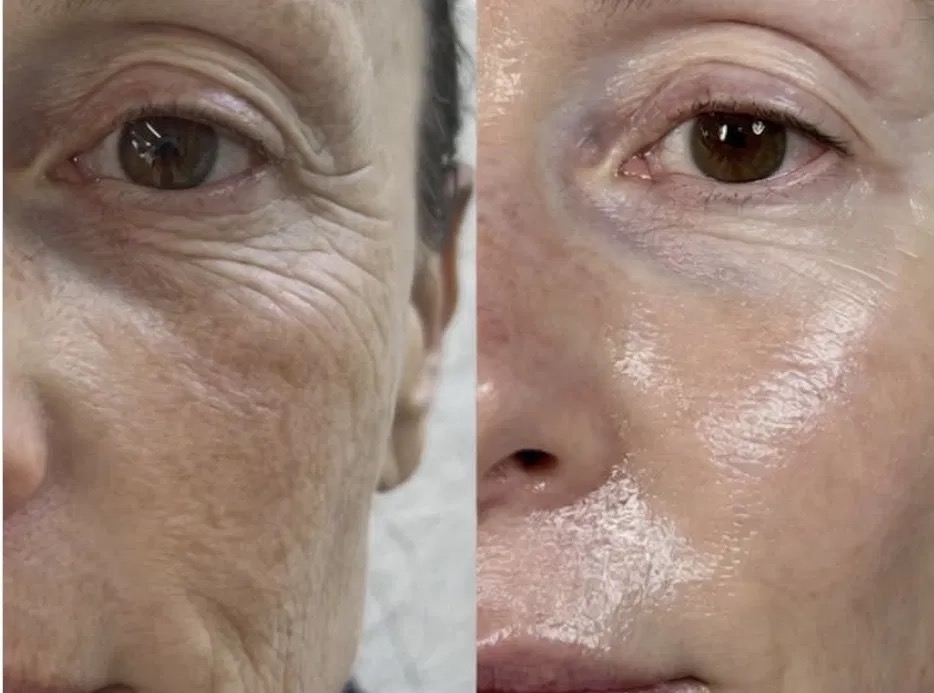
Skin needling produces real, measurable results — but they develop progressively, not overnight, and they require a program approach rather than a single session to produce meaningful change in established concerns.
Skin Needling vs RF Fractional: Which Is Right for You?
Skin Needling vs
RF Fractional Skin Resurfacing
Both treatments stimulate collagen but via different mechanisms, with different depth, downtime and outcome profiles. Understanding the distinction helps determine which is most appropriate for your specific concern.
Skin needling creates micro-channels that trigger the skin's wound-healing response. It is versatile, well tolerated, and suited to a wide range of concerns from early texture issues through to moderate acne scarring. Downtime is minimal — 24 to 48 hours. Best suited to early to moderate concerns, collagen maintenance, and clients who need effective treatment with minimal schedule disruption.
RF fractional delivers radiofrequency energy through insulated needles directly into the dermis, bypassing the epidermis. The thermal energy produces more aggressive collagen remodelling at greater depth than standard needling. Downtime is 3–5 days. Best suited to more established concerns — deeper acne scarring, significant textural irregularity, or décolletage remodelling — where a more intensive intervention is clinically appropriate.
Many programs at SKYNN combine both modalities — RF fractional for deeper remodelling and skin needling sessions between to sustain collagen activity throughout the program.
Skin Needling With Regenerative Additions
One of the most compelling applications of skin needling is its use as a delivery system for regenerative actives. The micro-channels created during treatment provide a temporary window of enhanced skin permeability, allowing growth factors and peptides to reach the dermis at concentrations that topical application alone cannot achieve.
At SKYNN, we frequently combine skin needling with:
Exosome Therapy — extracellular vesicles carrying growth factors and regenerative signals, infused immediately post-needling to significantly amplify the collagen stimulation response and reduce recovery time.
Rejuran PN Infusion — polynucleotide preparation that supports dermal repair at a cellular level, improving elasticity, hydration and structural quality. Particularly suited to mature, thinning or significantly UV-damaged skin.
MediLux LED Therapy — applied post-needling to reduce inflammation, accelerate healing and support the collagen synthesis process that follows.
How We Use Skin Needling at SKYNN Brisbane
At SKYNN in Albion, Brisbane, Advanced Dermapen Skin Needling using the Dermapen 4 is one of our most frequently recommended treatments — both as a standalone collagen induction program and as a component of broader skin correction plans.
What distinguishes skin needling at SKYNN from a generic microneedling treatment is the clinical context in which it sits. Every program begins with a proper assessment through our Advanced SKYNN Consultation. Treatment depth, speed and pass protocols are adjusted to your skin type, Fitzpatrick classification, and specific concerns at each session. Combination treatments are recommended where clinically appropriate. Homecare is prescribed to support and extend what we do in the treatment room.
If you are searching for skin needling in Brisbane, the most useful starting point is a proper skin assessment — so the treatment is calibrated to what your skin actually needs, not a standard protocol applied identically to everyone. This is also why this treatment links naturally to The SKYNN Method, our philosophy of understanding before treatment.
Frequently Asked Questions
How many skin needling sessions do I need in Brisbane?
Most clients begin with a program of 3–6 sessions, spaced 4–6 weeks apart. Acne scarring and more established concerns typically require more sessions than early texture or collagen maintenance goals. Your clinician will recommend a program based on your skin assessment.
What is the downtime after skin needling in Brisbane?
Most clients experience redness and tightness similar to mild sunburn for 24–48 hours after treatment. Most return to normal activities the following day, avoiding active skincare ingredients and direct sun exposure during the healing period.
Is skin needling the same as Dermapen?
Yes. Dermapen is a brand of microneedling device — not a separate treatment. Skin needling, microneedling and collagen induction therapy all refer to the same category of treatment. At SKYNN, we use the Dermapen 4 to perform skin needling.
Can skin needling treat acne scars?
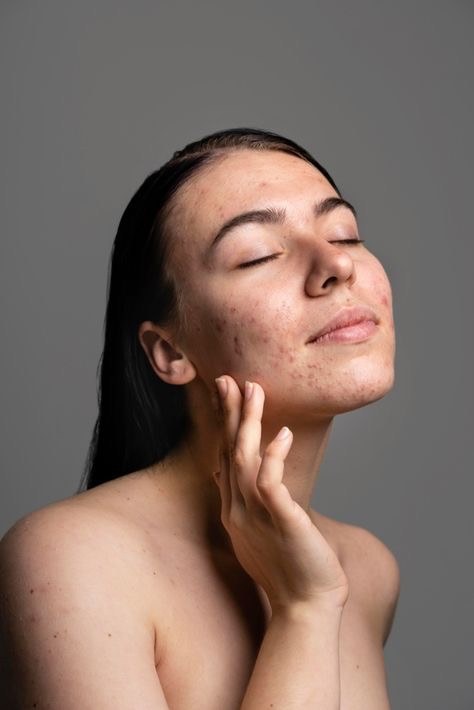
Yes. Skin needling is one of the most clinically supported treatments for atrophic acne scarring. The micro-channels created during treatment stimulate collagen remodelling in the dermis, gradually improving the texture and depth of acne scars over a series of sessions. Active acne should generally be brought under control before intensive scar treatment begins.
How does skin needling compare to RF fractional?
Both treatments stimulate collagen but work differently. Skin needling creates micro-channels that trigger the skin's wound healing response. RF fractional delivers radiofrequency energy through insulated needles to heat the dermis at a controlled depth, producing more aggressive remodelling with more downtime. RF fractional suits more established concerns; skin needling is ideal for early laxity, texture, maintenance and moderate scarring.